
Few things stress new owners more than golden retriever puppy feeding — how much, how often, and which food. When we brought home Noeul (now 11 months) we asked the same questions, and with Bada (5) and Haneul (3) already in the house we had learned a few hard lessons about getting it right. This golden retriever puppy feeding guide walks you through amounts by age, a realistic schedule, and the mistakes to avoid.
How Often Should You Feed a Golden Retriever Puppy?
Young puppies have small stomachs and big energy needs, so frequency matters as much as amount. A simple schedule that works well:
8 to 12 weeks: four meals a day. 3 to 6 months: three meals a day. 6 to 12 months: two meals a day. After 12 months: two meals a day as an adult. Spreading food across several meals keeps energy steady and is gentler on a growing digestive system than one or two large servings.
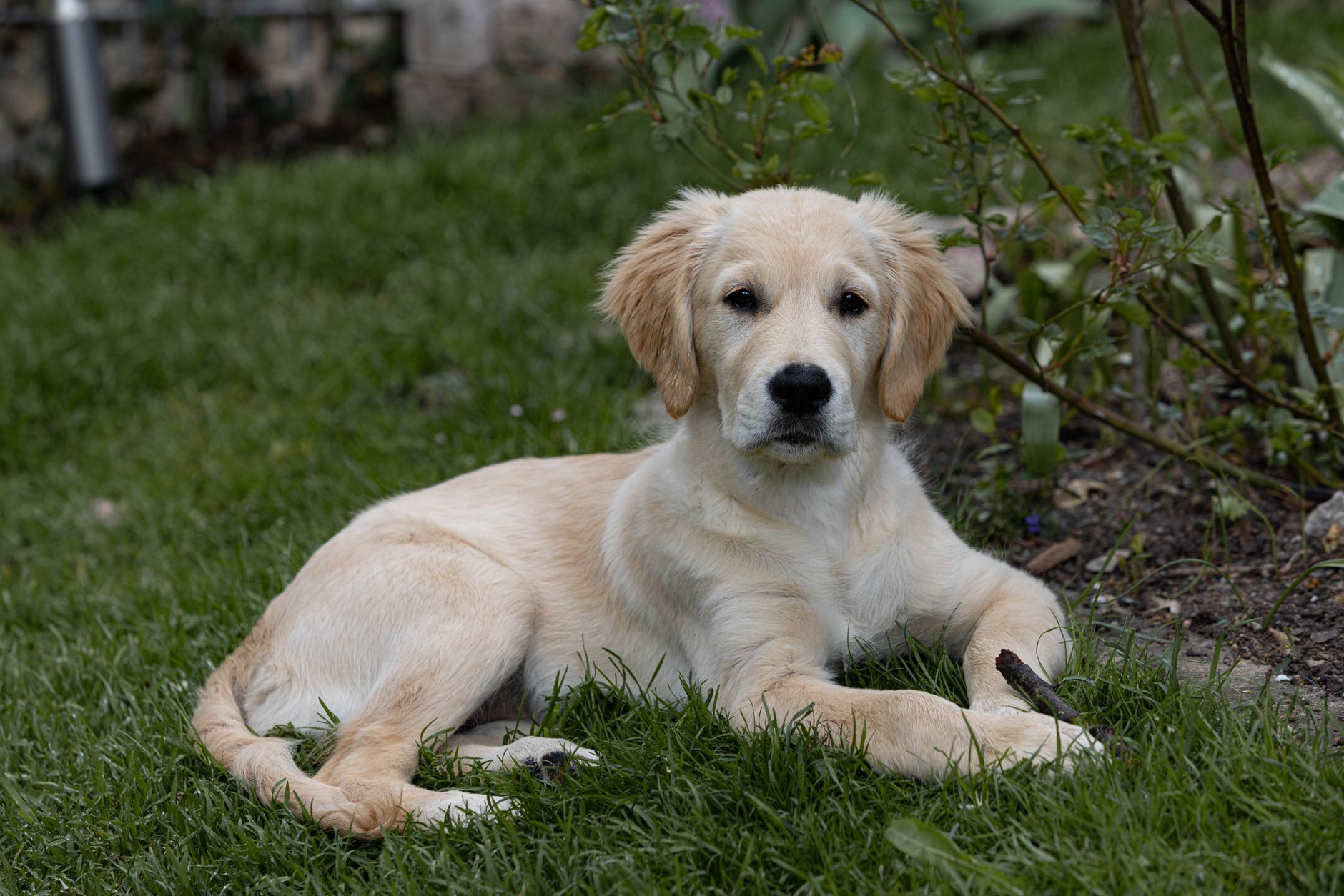
Golden Retriever Puppy Feeding Amounts by Age
Exact amounts depend on the food’s calorie density and your puppy’s weight, so the bag’s feeding chart is your real starting point. As a rough guide, golden retriever puppy feeding amounts climb from around one cup a day for a tiny eight-week-old, up to three or four cups a day split across meals during the fastest growth months, then level off as your puppy approaches adult size. Always adjust to your individual dog rather than a chart alone.
Choose a Large-Breed Puppy Food
This is the single most important choice. Goldens are a large breed, and large-breed puppy formulas are specifically balanced with controlled calcium and calories to promote slow, steady bone growth. Growing too fast is a real risk factor for joint problems like hip and elbow dysplasia, so a proper large-breed puppy food matters more than most owners realize.
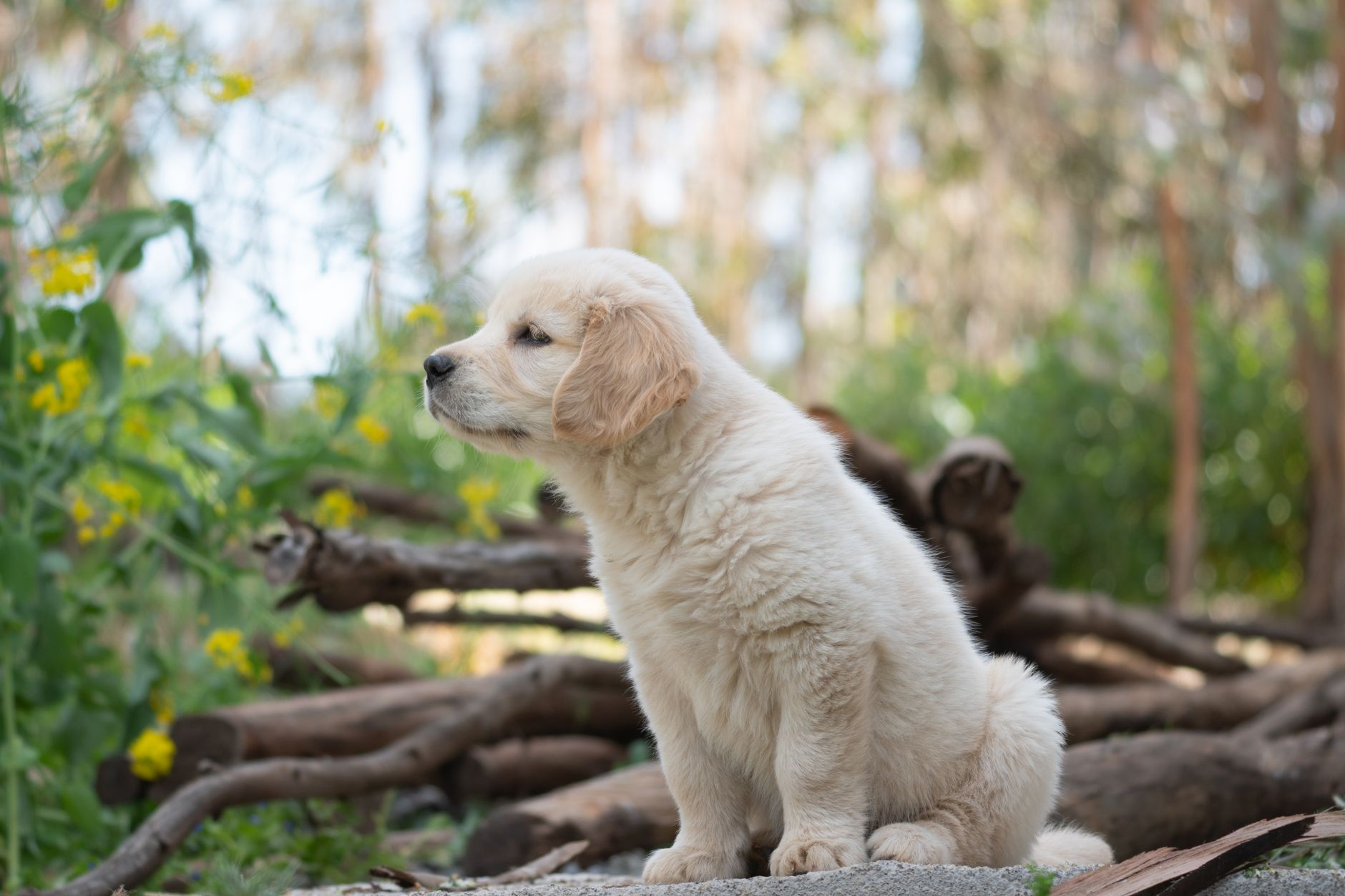
How to Tell If You’re Feeding the Right Amount
Forget the number in the bowl and read your puppy’s body instead. You should be able to feel the ribs easily under a light layer, see a visible waist from above, and watch for consistent, firm stools. A pot belly right after eating is normal; a constantly round, heavy puppy is not. Rapid weight gain is not a sign of health in a golden — lean and steady wins.
Common Feeding Mistakes to Avoid
Free-feeding (leaving food out all day) makes it impossible to monitor intake and encourages picky eating. Too many treats quietly add up — keep treats under a tenth of daily calories. And switch foods gradually over a week to avoid stomach upset. When we rushed a food change with Haneul, we paid for it with a very messy few days.
Related Reading
Feeding is the foundation of everything else. Visit our Golden Paw Guide home for more, and pair this with our guides to golden retriever exercise needs and common golden retriever health problems.
Note: This article reflects our personal experience raising three Golden Retrievers and general canine care information. For a feeding plan tailored to your puppy’s weight and health, consult your veterinarian.
Leave a Reply