Author: tadmin

  • Do Golden Retrievers Bark a Lot? What to Expect

    Do Golden Retrievers Bark a Lot? What to Expect

    If you’re weighing up the breed, you’ve probably wondered: do golden retrievers bark a lot, and will it drive the neighbors crazy? The short answer from our three-golden household is reassuring — goldens are generally moderate barkers, not yappy. But like any dog, they bark for reasons, and understanding those reasons is the key to a peaceful home. Let’s look at how much golden retrievers really bark and what to do about it.

    So, Do Golden Retrievers Bark a Lot?

    As a breed, golden retrievers are considered moderate, occasional barkers rather than constant ones. They were bred to work calmly and cooperatively with people, not to guard or sound the alarm, so barking isn’t hardwired into them the way it is in many terriers or guardian breeds. Do golden retrievers bark at all? Absolutely — but usually with a purpose, and usually in a way that’s easy to manage. Across Bada, Haneul, and Noeul, most of the “noise” in our home is happy greeting, not nuisance barking.
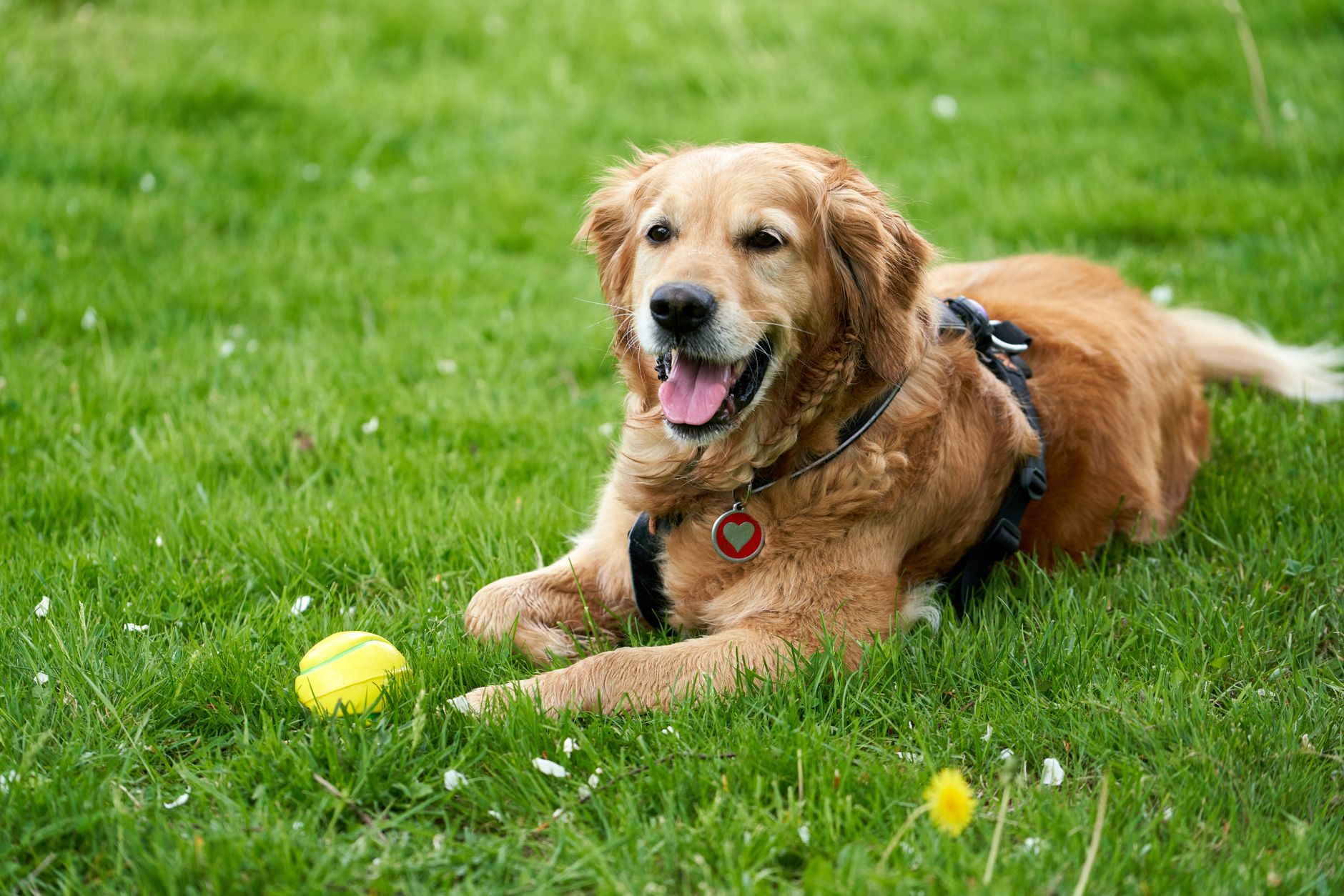
    Golden Retriever

    Why Golden Retrievers Bark

    Excitement and greeting

    The most common golden bark is pure joy — you came home, a friend arrived, or it’s finally walk time. This is the breed’s friendly nature on full display.

    Boredom and pent-up energy

    This is the big one. An under-exercised, under-stimulated golden will invent things to bark about. Most “problem barking” in this breed is really an exercise and enrichment problem in disguise.

    Alerting and attention-seeking

    Goldens may give a bark or two at a knock at the door, or bark to tell you they want something. If barking reliably gets your attention, a smart golden will keep doing it.

    How to Reduce Nuisance Barking

    The fix usually isn’t a quieter dog — it’s a more fulfilled one. Make sure your golden gets plenty of daily physical and mental exercise; a tired dog is a quiet dog. Avoid rewarding demand-barking with attention, teach a calm “quiet” cue with treats, and reward the silence rather than scolding the noise. Because goldens are so eager to please and food-motivated, most respond to positive training quickly.
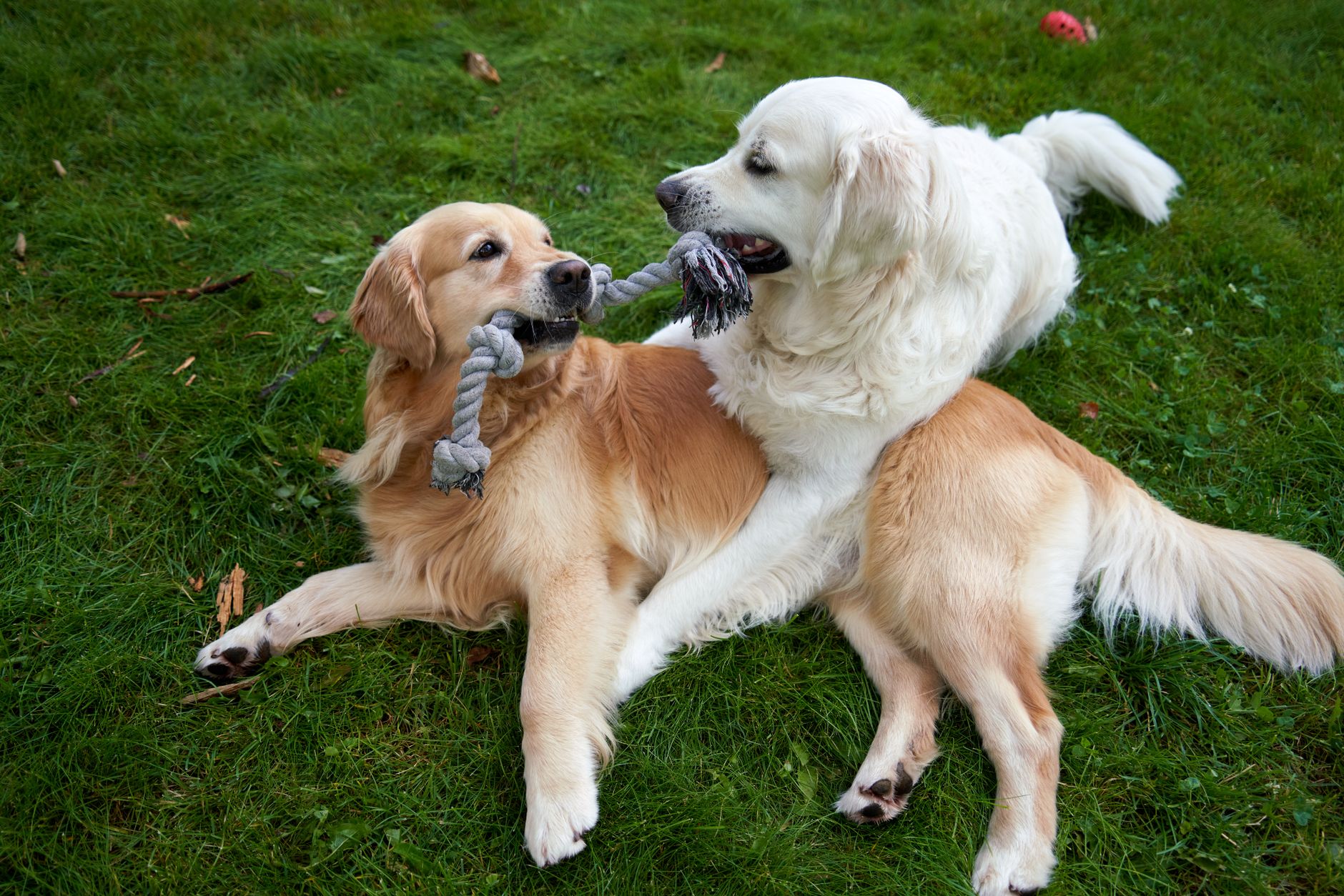
    Golden Retriever

    The Bottom Line

    Golden retrievers are one of the better breeds if you want a dog that isn’t constantly noisy. They’ll let you know when something’s up and greet you with enthusiasm, but chronic, excessive barking almost always traces back to boredom or unmet needs — all of which are fixable with exercise, enrichment, and gentle training.

    Related Reading

    A calm golden is usually a well-exercised, well-trained one. Visit our Golden Paw Guide home for more, and see our guides to training a golden retriever puppy and whether goldens make good family dogs.

    Note: This article reflects our personal experience with three Golden Retrievers and general canine behavior information. For persistent barking or anxiety, consider a certified positive-reinforcement trainer.

  • Golden Retriever Weight & Growth: Size Chart by Age

    Golden Retriever Weight & Growth: Size Chart by Age

    “Is my puppy the right size?” is one of the most common worries for new owners, and tracking golden retriever weight as your dog grows is a great way to stay reassured. Watching Noeul (now 11 months) shoot up from a roly-poly puppy to an almost-adult — alongside our fully grown Bada (5) and Haneul (3) — has been a real-time lesson in golden retriever weight and growth. Here’s what to expect at each stage, and how to tell if your dog is on track.

    Adult Golden Retriever Weight and Size

    A fully grown male golden retriever typically weighs around 65 to 75 pounds and stands about 23 to 24 inches at the shoulder. Females are usually a little smaller, around 55 to 65 pounds and 21 to 22 inches. These are healthy ranges, not targets to exceed — a lean golden at the lower end of its frame is far better off than a heavy one. Remember that build matters as much as the number: you should be able to feel the ribs easily and see a waist from above.

    Golden Retriever puppy

    Golden Retriever Weight Chart by Age

    Every puppy grows at its own pace, so treat this golden retriever weight guide as a rough map rather than a rulebook:

    2 months: about 10–15 lbs. 3 months: about 20–25 lbs. 4 months: about 25–30 lbs. 6 months: about 35–45 lbs. 9 months: about 50–60 lbs. 12 months: close to adult weight, filling out until 18–24 months. Goldens reach most of their height by a year, then keep adding muscle and chest depth into their second year.

    Is My Golden Retriever the Right Weight?

    Forget the scale for a moment and look at your dog. From above, there should be a visible waist behind the ribs. From the side, the belly should tuck up, not hang straight. You should feel the ribs with light pressure, like the back of your hand. If you can’t find the ribs, your golden is carrying too much; if they’re sharply visible, too little. This “body condition” check is more reliable than any chart.

    Golden Retriever puppy

    When to Worry About Growth

    Slow, steady growth is healthy — rapid growth is not. Pushing a large-breed puppy to grow too fast with overfeeding raises the risk of joint problems like hip and elbow dysplasia. If your puppy seems far off the typical range, is losing weight, or has a pot belly with a thin body (a possible sign of parasites), check with your vet rather than guessing.

    Related Reading

    Growth and diet go hand in hand. Head to our Golden Paw Guide home for more, and pair this with our golden retriever puppy feeding guide and our guide to common golden retriever health problems.

    Note: This article reflects our personal experience raising three Golden Retrievers and general canine care information. For concerns about your dog’s growth or weight, consult your veterinarian.

  • Golden Retriever Lifespan: How Long Do They Live?

    Golden Retriever Lifespan: How Long Do They Live?

    One of the first questions every owner asks is about the golden retriever lifespan — and it’s a bittersweet one, because these dogs give so much that we always wish for more time. With three goldens at home — Bada (5), Haneul (3), and Noeul (11 months) — that question is never far from my mind. Here’s how long golden retrievers typically live, what affects it, and what you can actually do to help your dog stay healthy for as long as possible.

    What Is the Average Golden Retriever Lifespan?

    The average golden retriever lifespan is roughly 10 to 12 years. With good genes and good care, plenty of goldens reach 13 or 14, while others are sadly lost earlier, most often to illness. Decades ago the breed more commonly lived into its mid-teens; the typical golden retriever lifespan has shortened somewhat over the years, largely because the breed carries a higher-than-average rate of certain cancers. Knowing the realistic range isn’t meant to worry you — it helps you plan for a long, healthy life together.

    Golden Retriever

    What Affects How Long a Golden Retriever Lives?

    Genetics

    A lot is decided before you even bring your puppy home. Dogs from health-screened parents — with hips, elbows, hearts, and eyes tested — tend to live longer, healthier lives. This is one of the biggest reasons to choose a responsible breeder over a puppy mill or backyard litter.

    Body weight

    Study after study shows that lean dogs live longer than overweight ones. Extra weight stresses the joints, heart, and organs and worsens nearly every age-related condition. Keeping your golden lean is the single most powerful thing most owners can control.

    Preventive healthcare

    Regular vet checkups, up-to-date parasite prevention, dental care, and — crucially — catching problems early all add up. Goldens are stoic and hide illness, so routine bloodwork as they age can reveal issues long before symptoms show.

    How to Extend Your Golden Retriever’s Lifespan

    You can’t rewrite genetics, but the daily choices matter more than most people think. Keep your dog at a lean, healthy weight; feed a quality diet without overfeeding; provide daily exercise for body and mind; stay on top of dental care; and never skip annual vet visits (twice yearly for seniors). Check your dog over weekly for new lumps — early detection is everything with this breed. None of it is glamorous, but together these habits genuinely stack the odds in your favor.

    Golden Retriever

    Making the Most of the Years You Have

    However long you get, the goal is the same: healthy, comfortable, and loved every day. Watch for the subtle slowdowns of aging, adapt exercise and diet as your dog gets older, and don’t put off that vet visit when something feels off. Our goldens remind us daily that quality of time matters as much as quantity.

    Related Reading

    A long life starts with prevention. Visit our Golden Paw Guide home for more, and see our guides to common golden retriever health problems and whether goldens make good family dogs.

    Note: This article reflects our personal experience with three Golden Retrievers and general canine care information. For guidance on your dog’s health and longevity, consult your veterinarian.

  • How to Reduce Golden Retriever Shedding: A 3-Golden Home Guide

    How to Reduce Golden Retriever Shedding: A 3-Golden Home Guide

    If you share your home with a Golden Retriever, you already know the truth: golden retriever shedding is not a season, it’s a lifestyle. In our house we live with three goldens — Bada (5), Haneul (3), and Noeul (11 months) — so trust me when I say I’ve swept up enough golden fur to knit a fourth dog. The good news? While you can’t stop a healthy golden from shedding, you absolutely can reduce it dramatically with the right routine. Here’s exactly what has worked for us across three dogs and every coat stage.

    Why Do Golden Retrievers Shed So Much?

    Golden Retrievers have a double coat: a water-repellent outer layer and a soft, dense undercoat that insulates them in both heat and cold. That undercoat is the real source of the fur tumbleweeds rolling across your floor. Goldens shed moderately year-round and then go through two heavy “coat blows” — usually in spring and fall — when they release the old undercoat to make way for a new one. It’s completely normal, and it means their coat is doing its job.

    Golden Retriever

    When Do Golden Retrievers Shed the Most?

    Expect the heaviest shedding in spring (dropping the thick winter undercoat) and fall (swapping the summer coat for a denser winter one). During these few weeks, brushing daily is not optional if you want to stay ahead of it. Indoor dogs with constant artificial light and heating sometimes shed more evenly all year instead of in sharp seasonal bursts — Noeul, our youngest, sheds a little every single day rather than in big waves.

    How to Reduce Golden Retriever Shedding

    You can’t eliminate shedding, but these five habits cut the fur in our home by more than half.

    1. Brush regularly with the right tools

    This is the single biggest lever. A slicker brush for the topcoat plus an undercoat rake or de-shedding tool for the dense underlayer removes loose fur before it lands on your couch. During coat-blow season we brush daily; the rest of the year, 2–3 times a week keeps it under control.

    2. Bathe (but don’t over-bathe)

    A bath every 4–6 weeks with a gentle dog shampoo loosens dead undercoat, and a thorough brush-out while the coat dries removes an astonishing amount of fur. Avoid washing too often, which strips natural oils and can actually make shedding worse.

    3. Feed a coat-supporting diet

    Skin and coat health start with nutrition. A quality diet with adequate protein and omega-3 fatty acids (fish oil) supports a stronger coat that sheds less and looks healthier. When we added a fish-oil supplement, we noticed less breakage within a couple of months.

    4. Keep them hydrated

    Dry skin means more shedding and dandruff. Make sure fresh water is always available — a simple habit that quietly helps coat condition, especially in dry winter months with the heating on.

    5. Rule out health issues

    Sudden, patchy, or truly excessive shedding beyond the normal seasonal blow can signal allergies, parasites, thyroid problems, or stress. If your golden’s shedding changes dramatically or comes with bald spots, redness, or itching, see your vet.

    Golden Retriever

    The One Thing You Should Never Do: Shave a Golden

    It’s tempting in summer, but never shave your Golden Retriever’s double coat. That coat insulates against heat as well as cold and protects the skin from sunburn. Shaving can permanently damage how the coat grows back and offers no real benefit — proper brushing, not shaving, is the answer to a cooler, cleaner dog.

    When Shedding Is a Health Concern

    Normal shedding is even and seasonal. Watch for warning signs: bald patches, broken or brittle fur, red or flaky skin, constant scratching, or a dull coat. These point to something beyond normal shedding and deserve a vet visit rather than more brushing.

    Frequently Asked Questions

    Do Golden Retrievers ever stop shedding? No — healthy goldens shed for life. Puppies shed less until their adult double coat comes in, then it increases.

    Are there low-shedding golden retrievers? Purebred goldens all shed. “Non-shedding golden” mixes (like Goldendoodles) exist but are a different breed with different care needs.

    How often should I brush during shedding season? Daily during spring and fall coat blows; 2–3 times weekly otherwise.

    The Bottom Line

    Golden retriever shedding is a permanent part of golden life, but it’s very manageable. Consistent brushing with the right tools, a sensible bathing schedule, a coat-supporting diet, good hydration, and keeping an eye out for health issues will keep the fur — and your sanity — under control. From our three-golden household to yours: embrace the fur, keep the brush handy, and enjoy every shed-covered minute with these wonderful dogs.

    Related Reading

    Ready to build your shedding-control routine? Start at our Golden Paw Guide home for more real-world golden care from our three-dog household, then see our hands-on guide to the best de-shedding brushes and grooming tools for Golden Retrievers — the exact gear we reach for during coat-blow season.

    Note: This article reflects our personal experience raising three Golden Retrievers and general canine care information. For persistent or unusual shedding, always consult your veterinarian.

  • Golden Retriever Grooming: Best Brushes and De-Shedding Tools

    Golden Retriever Grooming: Best Brushes and De-Shedding Tools

    Good golden retriever grooming lives and dies by your tools. After raising three goldens — Bada (5), Haneul (3), and Noeul (11 months) — through countless coat blows, I’ve learned that the right brush turns a 40-minute wrestling match into a calm 10-minute routine, and keeps most of the fur off your floors. Here’s the exact kit we actually use, what each tool is for, and how to put it all together into a grooming routine that works.

    The Golden Retriever Coat, and Why Tool Choice Matters

    Goldens have a double coat: a coarse, water-repellent outer layer and a soft, dense undercoat. No single brush handles both well, which is why golden retriever grooming works best as a small system of tools rather than one “miracle” brush. Match the tool to the layer and the job gets easy; use the wrong one and you either miss the loose undercoat or scratch the skin.

    Golden Retriever

    The Best Brushes and Tools for Golden Retriever Grooming

    These are the four tools that do the vast majority of the work in our house.

    1. Slicker brush — everyday detangling

    A slicker brush has fine, short wires that lift loose topcoat hair and work out small tangles behind the ears, on the legs, and around the “pants.” It’s our daily go-to and the gentlest starting point for any session.

    2. Undercoat rake — the de-shedding workhorse

    If you buy one serious tool for golden retriever grooming, make it an undercoat rake. Its rounded, widely spaced teeth reach down into the dense underlayer and pull out dead fur before it ends up on your sofa. During spring and fall coat blows this is the single most effective thing you can do.

    3. Metal comb — the finishing check

    A stainless steel comb is how you confirm the job is done. Run it through after brushing; if it glides, you’re finished, and if it snags, there’s a hidden mat to work out. It’s also perfect for feathering on the tail and legs.

    4. Nail clippers or grinder — don’t forget the feet

    Grooming isn’t just coat. Overgrown nails change how a dog stands and can cause pain, so trim every 3–4 weeks. We switched from clippers to a grinder for smoother edges and less stress.

    A Simple Golden Retriever Grooming Routine

    Here’s the weekly rhythm that keeps our three goldens comfortable and our house livable:

    Daily (coat-blow season): a quick slicker-brush pass, then the undercoat rake on the thickest areas. 2–3 times a week (rest of year): slicker plus rake, finished with the metal comb. Every 4–6 weeks: a bath, followed by a thorough brush-out as the coat dries. Every 3–4 weeks: nails, plus a check of ears and paw pads.

    Golden Retriever

    Grooming Mistakes to Avoid

    Two big ones. First, never shave a golden’s double coat — it insulates against heat and protects against sunburn, and shaving can permanently change how it regrows. Second, don’t brush a soaking-wet coat aggressively or skip the undercoat entirely; surface-only brushing leaves the dead underlayer trapped, which is what causes both matting and those endless fur tumbleweeds.

    Frequently Asked Questions

    How often should I groom a golden retriever? Light brushing daily or every other day, with a deeper session 2–3 times a week — more during seasonal coat blows.

    Do I need a professional groomer? Not necessarily. Most golden retriever grooming can be done at home with basic tools; a professional is helpful for baths, sanitary trims, or if matting has gotten out of hand.

    What is the single best de-shedding tool? An undercoat rake, hands down, paired with a slicker brush for the topcoat.

    Related Reading

    Grooming is only half the battle — the other half is understanding the coat itself. Head back to our Golden Paw Guide home for more, and pair this with our full guide on how to reduce golden retriever shedding for the complete picture on keeping fur under control.

    Note: This article reflects our personal experience grooming three Golden Retrievers and general canine care information. For skin, coat, or nail problems, consult your veterinarian or a professional groomer.

  • Golden Retriever Exercise: How Much Does Your Dog Need?

    Golden Retriever Exercise: How Much Does Your Dog Need?

    Getting golden retriever exercise right is one of the biggest favors you can do for your dog’s body and behavior. Living with three goldens — Bada (5), Haneul (3), and Noeul (11 months) — has taught me that a well-exercised golden is a calm, happy golden, while an under-exercised one finds its own “entertainment” (usually your shoes). Here’s how much exercise a golden really needs at each stage, and how to do it safely.

    How Much Golden Retriever Exercise Is Enough?

    As a general rule, a healthy adult Golden Retriever needs roughly one to two hours of activity every day, split across a couple of sessions. Goldens are working retrievers bred for a full day in the field, so they have real stamina and genuinely need an outlet for it. The right amount of golden retriever exercise depends on age, health, and the individual dog — Bada is happy with two solid walks and a game of fetch, while young Noeul needs more frequent, shorter bursts to burn off puppy energy.

    Golden Retriever

    Exercise by Life Stage

    Puppies

    Puppies need activity, but their growing joints are fragile. Follow the common “five-minute rule”: about five minutes of structured exercise per month of age, once or twice a day. Avoid forced running, long hikes, or repeatedly jumping off furniture until the growth plates close, usually well after the first year. Free play in a safe yard is ideal.

    Adults

    This is peak energy territory. Aim for one to two hours daily: brisk walks, fetch, swimming, and sniff-heavy exploration. Goldens are natural swimmers, and swimming is a fantastic low-impact option that spares the joints while thoroughly tiring them out.

    Seniors

    Older goldens still need daily movement, just gentler. Shorter, more frequent walks keep joints mobile and weight in check without overtaxing an aging body. Watch for stiffness and adjust as needed.

    Don’t Forget Mental Exercise

    Physical golden retriever exercise is only half the equation. These are smart, people-focused dogs that get bored fast. Puzzle feeders, scent games, training sessions, and chew toys tire the brain — and a mentally tired golden is far better behaved than one that is only physically tired. Ten minutes of nose work can settle a dog as effectively as a long walk.

    Golden Retriever

    Signs Your Golden Needs More (or Less)

    Destructive chewing, restlessness, pacing, and weight gain usually mean too little exercise. On the other hand, limping, reluctance to move, or excessive panting can mean you have pushed too hard, especially in heat. Exercise in the cooler parts of the day in summer, always bring water, and let your dog set the pace on hot days.

    Related Reading

    Exercise, coat, and health all work together. Start at our Golden Paw Guide home, then see our guides to common golden retriever health problems and training a golden retriever puppy to build a complete care routine.

    Note: This article reflects our personal experience with three Golden Retrievers and general canine care information. Before starting a new exercise program, especially for puppies or seniors, check with your veterinarian.

  • Golden Retriever Puppy Feeding Guide: Amounts by Age

    Golden Retriever Puppy Feeding Guide: Amounts by Age

    Few things stress new owners more than golden retriever puppy feeding — how much, how often, and which food. When we brought home Noeul (now 11 months) we asked the same questions, and with Bada (5) and Haneul (3) already in the house we had learned a few hard lessons about getting it right. This golden retriever puppy feeding guide walks you through amounts by age, a realistic schedule, and the mistakes to avoid.

    How Often Should You Feed a Golden Retriever Puppy?

    Young puppies have small stomachs and big energy needs, so frequency matters as much as amount. A simple schedule that works well:

    8 to 12 weeks: four meals a day. 3 to 6 months: three meals a day. 6 to 12 months: two meals a day. After 12 months: two meals a day as an adult. Spreading food across several meals keeps energy steady and is gentler on a growing digestive system than one or two large servings.

    Golden Retriever puppy

    Golden Retriever Puppy Feeding Amounts by Age

    Exact amounts depend on the food’s calorie density and your puppy’s weight, so the bag’s feeding chart is your real starting point. As a rough guide, golden retriever puppy feeding amounts climb from around one cup a day for a tiny eight-week-old, up to three or four cups a day split across meals during the fastest growth months, then level off as your puppy approaches adult size. Always adjust to your individual dog rather than a chart alone.

    Choose a Large-Breed Puppy Food

    This is the single most important choice. Goldens are a large breed, and large-breed puppy formulas are specifically balanced with controlled calcium and calories to promote slow, steady bone growth. Growing too fast is a real risk factor for joint problems like hip and elbow dysplasia, so a proper large-breed puppy food matters more than most owners realize.

    Golden Retriever puppy

    How to Tell If You’re Feeding the Right Amount

    Forget the number in the bowl and read your puppy’s body instead. You should be able to feel the ribs easily under a light layer, see a visible waist from above, and watch for consistent, firm stools. A pot belly right after eating is normal; a constantly round, heavy puppy is not. Rapid weight gain is not a sign of health in a golden — lean and steady wins.

    Common Feeding Mistakes to Avoid

    Free-feeding (leaving food out all day) makes it impossible to monitor intake and encourages picky eating. Too many treats quietly add up — keep treats under a tenth of daily calories. And switch foods gradually over a week to avoid stomach upset. When we rushed a food change with Haneul, we paid for it with a very messy few days.

    Related Reading

    Feeding is the foundation of everything else. Visit our Golden Paw Guide home for more, and pair this with our guides to golden retriever exercise needs and common golden retriever health problems.

    Note: This article reflects our personal experience raising three Golden Retrievers and general canine care information. For a feeding plan tailored to your puppy’s weight and health, consult your veterinarian.

  • Golden Retriever Health Problems and How to Prevent Them

    Golden Retriever Health Problems and How to Prevent Them

    Goldens are wonderfully healthy in spirit, but the breed does carry some predictable risks, and knowing the common golden retriever health problems ahead of time is how you catch trouble early. Across our three dogs — Bada (5), Haneul (3), and Noeul (11 months) — regular vet visits and a few simple habits have kept problems small. Here are the golden retriever health problems every owner should understand, and the practical steps that help prevent them.

    The Most Common Golden Retriever Health Problems

    Hip and elbow dysplasia

    These joint conditions, where the joint develops abnormally and wears painfully over time, are among the best-known golden retriever health problems. Buying from a breeder who screens hips and elbows, keeping your dog lean, and avoiding high-impact exercise in puppyhood all lower the risk and slow progression.

    Cancer

    Goldens are, sadly, more prone to certain cancers than many breeds. You can’t eliminate the risk, but you can improve the odds through early detection: run your hands over your dog weekly to check for new lumps, and never dismiss unexplained weight loss, lethargy, or swelling — book a vet visit instead of waiting.

    Skin and ear problems

    That gorgeous double coat and those floppy ears trap moisture, making goldens prone to hot spots, allergies, and ear infections. Dry the ears after swimming or bathing, keep up with grooming, and address itching early before it becomes a full-blown infection.

    Hypothyroidism

    An underactive thyroid is fairly common in the breed and shows up as weight gain, low energy, and coat changes. The good news: it is easily diagnosed with a blood test and well managed with inexpensive daily medication.

    Golden Retriever

    How to Prevent Golden Retriever Health Problems

    Most prevention comes down to a handful of unglamorous habits. Keep your golden at a healthy weight — obesity worsens nearly every condition on this list. Stay current on annual vet checkups and bloodwork, especially as your dog ages. Feed a quality diet, keep parasite prevention up to date, and maintain dental care, since dental disease affects the whole body.

    Warning Signs You Should Never Ignore

    Call your vet promptly for any of these: a new or growing lump, sudden weight loss, persistent limping, difficulty breathing, pale gums, repeated vomiting or diarrhea, or a noticeable drop in energy or appetite. Goldens are stoic and tend to hide discomfort, so changes in normal behavior are often your earliest and most reliable warning.

    Golden Retriever

    The Bottom Line

    A golden retriever’s predisposition to certain problems is not a reason for fear — it is a reason to be proactive. Screening, a lean body, regular checkups, and quick action on warning signs give your dog the best shot at a long, comfortable life.

    Related Reading

    Prevention ties into daily care. Head to our Golden Paw Guide home for more, and see our guides to golden retriever puppy feeding and golden retriever exercise needs to keep your dog lean and strong.

    Note: This article reflects our personal experience with three Golden Retrievers and general canine care information. It is not a substitute for veterinary diagnosis — always consult your veterinarian about your dog’s health.

  • Golden Retriever Training: A Puppy’s First Weeks

    Golden Retriever Training: A Puppy’s First Weeks

    Good golden retriever training starts the day your puppy comes home, not months later. The great news is that goldens are among the easiest breeds to train — they are smart, eager to please, and food-motivated. With Noeul (now 11 months) we saw how quickly early habits stick, for better or worse, and how much easier life is when golden retriever training begins gently and consistently from week one. Here’s where to focus first.

    Why Golden Retriever Training Is (Mostly) Easy

    Goldens were bred to work closely with people and take direction, which makes golden retriever training genuinely enjoyable. They thrive on positive reinforcement — rewarding what you want rather than punishing what you don’t. Harsh corrections backfire with this sensitive breed; a treat, a happy voice, and consistency will get you far further than any stern tone.

    Golden Retriever puppy

    The First Priorities

    Socialization

    The window between roughly 8 and 16 weeks is critical. Calmly expose your puppy to different people, gentle dogs, sounds, surfaces, and situations while everything is still new and non-threatening. A well-socialized golden grows into the confident, friendly dog the breed is famous for.

    House training

    Take your puppy out constantly — after waking, eating, playing, and every couple of hours — and reward the instant they go outside. Consistency and supervision, not scolding accidents, are what make house training click.

    Name and “come”

    Teach your puppy that their name and the word “come” always mean something wonderful. Never call your dog to you for something unpleasant. A reliable recall is the most valuable command your golden will ever learn.

    Managing the Mouthing and Chewing

    Golden puppies explore with their mouths and were literally bred to carry things, so nipping and chewing are normal. Redirect to an appropriate chew toy every time, and never encourage biting hands in play. Providing plenty of chews saves your furniture and teaches your puppy what is fair game.

    Golden Retriever puppy

    Basic Commands to Start

    Keep sessions short — five minutes, several times a day, beats one long, boring drill. Start with sit, then down, stay, and leave it. Use small, soft treats, reward quickly, and end every session on a win while your puppy still wants more.

    Consistency Is Everything

    The fastest way to confuse a puppy is to allow something one day and forbid it the next, or to let different family members use different rules and words. Agree on the house rules and the exact cue words as a household, and stick to them. A golden will learn almost anything you teach consistently — the limiting factor is usually the human, not the dog.

    Related Reading

    Training pairs naturally with exercise and enrichment. Visit our Golden Paw Guide home for more, and see our guides to golden retriever exercise needs and whether goldens make good family dogs.

    Note: This article reflects our personal experience raising three Golden Retrievers and general canine training information. For behavior problems or a tailored plan, consider a certified positive-reinforcement trainer.

  • Golden Retriever Family Dog: The Honest Truth

    Golden Retriever Family Dog: The Honest Truth

    Ask almost anyone to name a great family pet and the Golden Retriever comes up first — and the reputation of the golden retriever family dog is well earned. But “great with families” isn’t automatic, and there are real trade-offs worth knowing before you commit. As a household of three goldens — Bada (5), Haneul (3), and Noeul (11 months) — here’s our honest take on what makes the golden retriever family dog so special, and what to be ready for.

    Why the Golden Retriever Family Dog Is So Popular

    Goldens were bred to work alongside people, and it shows. They are patient, gentle, and famously tolerant, which is exactly why the golden retriever family dog is a favorite with children. They tend to be sturdy enough to handle busy household life, friendly with strangers and other pets, and endlessly willing to be part of whatever the family is doing. For most homes, that easygoing temperament is the whole appeal.

    Golden Retriever

    Are Golden Retrievers Good With Kids?

    Generally, yes — goldens are one of the most kid-friendly breeds there is. That said, “good with kids” always comes with rules. Even the gentlest golden is a large, bouncy dog that can accidentally knock over a toddler, and no dog should ever be left unsupervised with very young children. Teach kids to respect the dog’s space, especially around food and sleep, and you set both up to be lifelong friends.

    The Honest Downsides

    This is where the fairy tale needs a footnote. A golden retriever family dog is a big commitment:

    The shedding is relentless. Goldens shed year-round and blow their coat twice a year. They need real exercise and attention. A bored, under-exercised golden becomes a destructive one. They don’t like being alone. This is a velcro breed that can develop separation anxiety in a home that is empty all day. There are health costs. The breed is prone to certain conditions, so budget for good care.

    Golden Retriever

    Is a Golden Right for Your Family?

    A golden thrives in an active home where someone is around often, there is time for daily walks and training, and the family is ready for fur on everything. If your household is busy but present and hands-on, few dogs will reward you more. If everyone is gone twelve hours a day, a golden’s need for company may not be a fair fit.

    Related Reading

    If a golden sounds like your match, get ready for daily life with one. Start at our Golden Paw Guide home, then see our guides to training a golden retriever puppy and managing golden retriever shedding.

    Note: This article reflects our personal experience with three Golden Retrievers and general breed information. Every dog is an individual — meet the specific dog and, where possible, its parents before bringing one home.